
The Top 5 Countries Best For Family Travel in Europe
The top 5 countries we recommend for the best family travel in Europe are Italy, Ireland, Spain, France, and Norway. Whether you are picking up a college student from a semester abroad and turning it into a family vacation, traveling with an eight year old for the first time, or something in between, parents ask us the same question: which country in Europe is best for family travel?
We hear this question from clients planning what often becomes their one big European trip together. Our answer comes from years of designing these trips for families at every stage. Below are the five destinations we recommend most, and why.
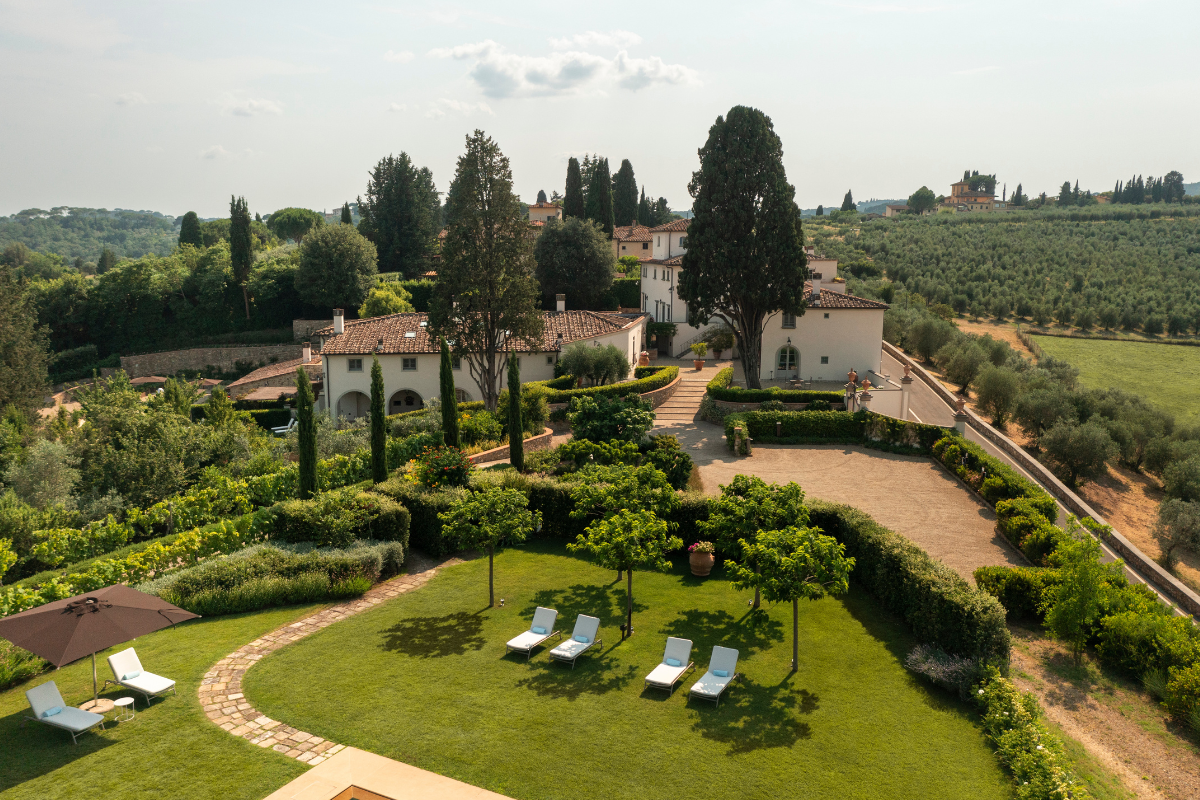
Italy suits the food and culture lovers who want variety in one trip.
Ireland fits families who want nature, history and an easygoing trip.
Spain appeals to those drawn to architecture and layered culture.
France works for families who want a bit of everything, from the city to the countryside.
Norway is for the adventurous ones chasing fjords, hikes and the northern lights.
In no particular order, here are our top five countries for family travel in Europe and the best parts of each country that will make this your most memorable family trip.
Italy: The Best Fit for Foodie Families and Easy City to City Travel
Italy answers the family travel in Europe question better than almost anywhere else, because its train system makes multiple cities possible in one trip. The distances between cities stay short enough that a family can visit two or three destinations, each with its own distinct feel, in seven to ten days.
We often pair a few days of cities with a few days on the coast. Finish the Italy portion of a trip in Cinque Terre, the Amalfi Coast, or Puglia, and a family gets sightseeing plus a slower, easygoing stretch by the water in the same trip. On the Amalfi Coast, most of our clients name the boat day, visiting the coastline and the island of Capri by water, as the best day of the whole trip. Swim, stop for lunch at a beach club, and keep going from there.
Food is a big part of why Italy works so well for families. Italian food is approachable, easy and comforting, which means every member of the family, from picky eaters to adventurous ones, tends to find something they love. We steer our clients toward the authentic restaurants and spots that locals use, not just the ones near the main piazza.
If avoiding the crowds is part of your planning, our guide on the Best Months to Visit Italy Without Crowds walks through the specific weeks that keep Italy feeling open and unhurried, even in popular cities.
Ireland: Nature, History and a Easygoing Trip for Every Age
Ireland is the answer for families who travel for scenery first. Green countryside, castle ruins and small towns appear around almost every turn, and the country works well with a driver guide who takes over the logistics of getting everyone from place to place.
A driver guide does more than move a family from point A to point B. Ours know how to work around the weather, where to stop for a long, relaxing lunch or a quick bite depending on the day's mood, and how to bring a place to life with local stories along the way. One family we worked with had a driver who knew everyone in his hometown, right down to the dog outside the pub. Moments like that connect a family to a place in a way a traditional half day tour rarely does, and it works for every age in the group, not only the kids.
Three stops define most Ireland itineraries:
The Cliffs of Moher are a stunning outcropping of cliffs that extend out into the North Atlantic Ocean. Your family can walk the cliffs or visit the partially underground gift shop.
Connemara National Park pairs a rugged mountain range with windswept bogs. Hike up Diamond Hill for sweeping views of the Atlantic coastline.
The Ring of Kerry is a scenic drive around the Iveragh Peninsula lined with forts, cliffs and mountains.
Add in the music, the welcoming culture and the coastline, and Ireland becomes one of the easiest countries in Europe to plan a family trip around, no matter who is in your group.
For a full breakdown of how to structure a trip that covers the country without feeling rushed, read Ireland, All the Way Around.

Spain: Culture, Architecture and a Deep Layer of History
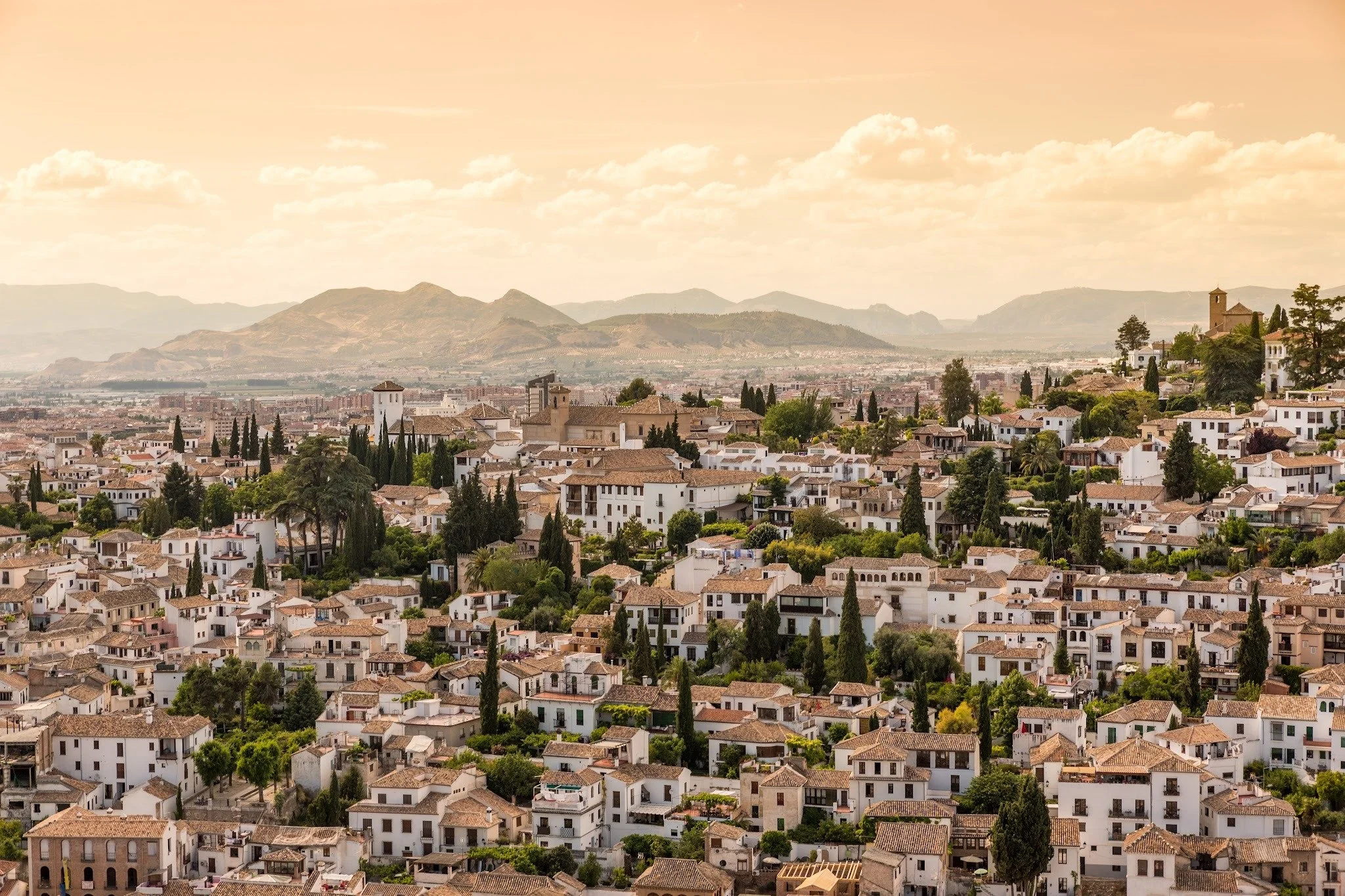
Spain answers a different version of the family travel question, for families drawn to culture and architecture more than nature or food alone. Southern Spain, particularly the Andalusia region, sits across the Strait of Gibraltar from Morocco, and centuries of trade, migration and conflict across that narrow stretch of water left the region with Moorish influence found nowhere else in Europe.
A typical trip flies into Madrid for the art museums and artisan shops, then takes a short train to Seville, where a walkable pedestrian city center stays full of small bars, restaurants and shops. Seville also holds the Alcázar, a UNESCO World Heritage site and one of the most beautiful places many of our clients have ever visited, along with a cathedral that holds Christopher Columbus's tomb.
A day trip by train from Seville reaches Cordoba, home to the Mezquita, once among the largest mosques in the world, with a Christian church built at its center. Continue on to Granada for the Alhambra, a palace and fortress complex and one of the best preserved palaces from the medieval Islamic world.
Families who want an active day should add the Caminito del Rey, a walkway built into a canyon wall roughly 300 feet above the river below. Between the architecture, the history and the hiking, Spain gives families with a range of interests plenty to agree on.
If you would rather see more destinations laid out with even more options, download our free guide, Where To Go in 2026, for a broader look at the trips we recommend for the year ahead.
France: A Country With Something Different for Every Kind of Family
France may be the hardest country on this list to sum up, mostly because it offers so many different kinds of trips within one country. Classic Paris covers the city itself, along with day trips to Versailles, Monet's gardens at Giverny, Normandy for its history, and Mont Saint Michel.
Families who want a slower, more rural stretch often add the Loire Valley, about 90 minutes south of Paris, where biking between chateaus, several of which look like small castles, takes the place of sightseeing. Towns like Amboise and Blois add royal history and walkable centers to the mix.
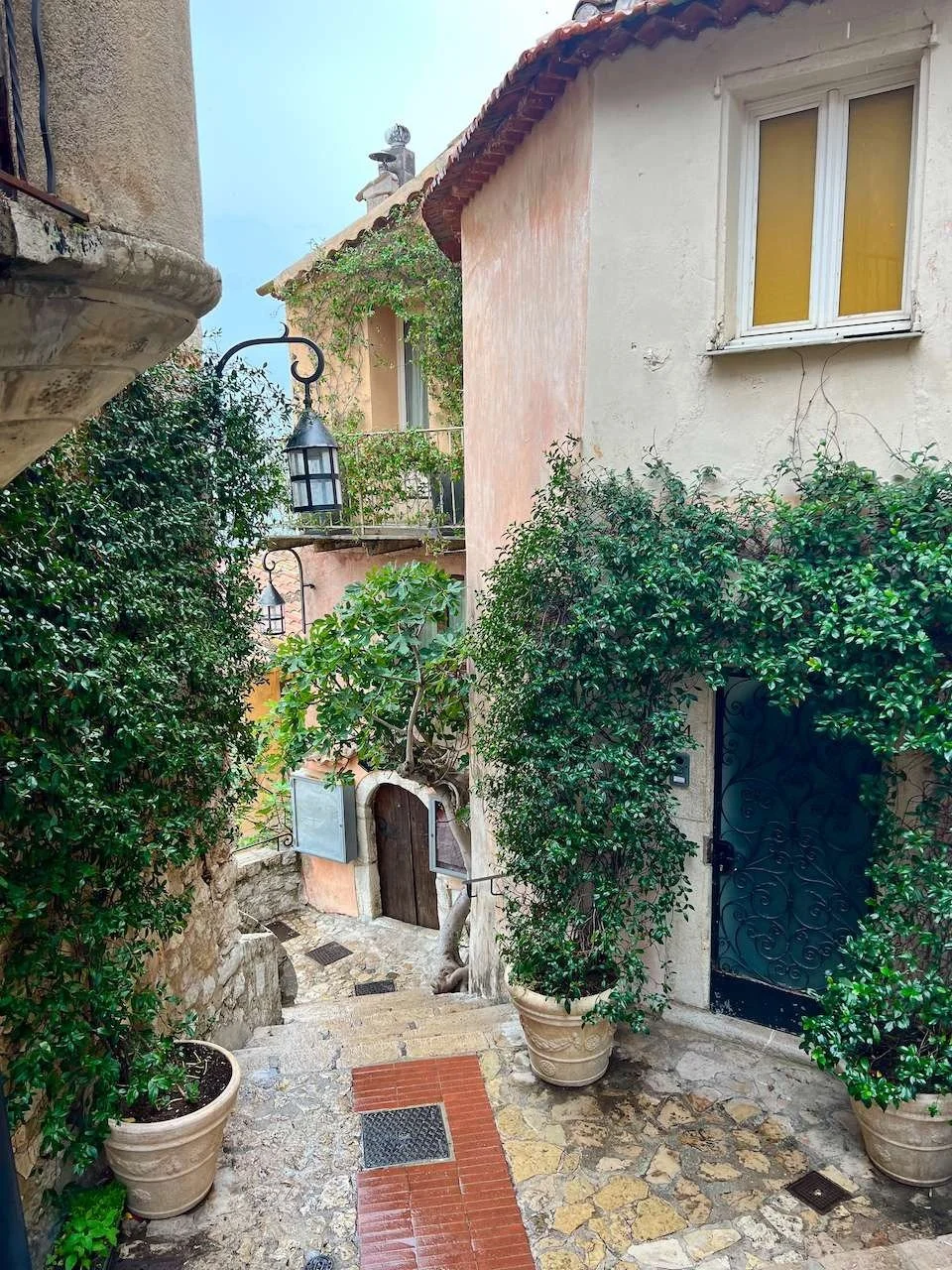
Our favorite region in France is the Luberon in Provence because it offers something for everyone: cozy shops on cobblestone streets, lovely hills, and local wineries. About three hours by TGV to Avignon, then under an hour by car, the Luberon deserves a trip of its own rather than a quick stop. We pair it with a day at Calanques National Park, then send families out through Nice rather than doubling back to Paris. One stop we always recommend nearby is Carrières des Lumières, an old rock quarry turned into an enclosed art exhibit, unlike anything else in the region.
Some families lean toward the energy of a city, with rooftop bars and restaurants at night. Others want the slower, rural side of the country. Most want both, at different points in the same trip. France, more than any other country on this list, lets a family combine every part of what they want in one itinerary.
Your Guide to Provence & the French Riviera covers the best tucked away places to see in southern France for relaxation and stunning scenery.
Norway: Fjords, Adventure and the Northern Lights
Norway rounds out this list for families who want an active, outdoor focused trip. Fjord cruises, scenic train rides and hikes with real elevation gain give Norway a different feel from the rest of Europe, along with a sauna culture woven into coastal towns and hotels (which comes from their historical heritage of steam bathing dating back to the Vikings).
Three hikes come up most often with our clients:
Trolltunga
Pulpit Rock
Kjerag
All three sit in the southwestern fjord region, and each has a waterfall or cliff hike with views that justify the climb.
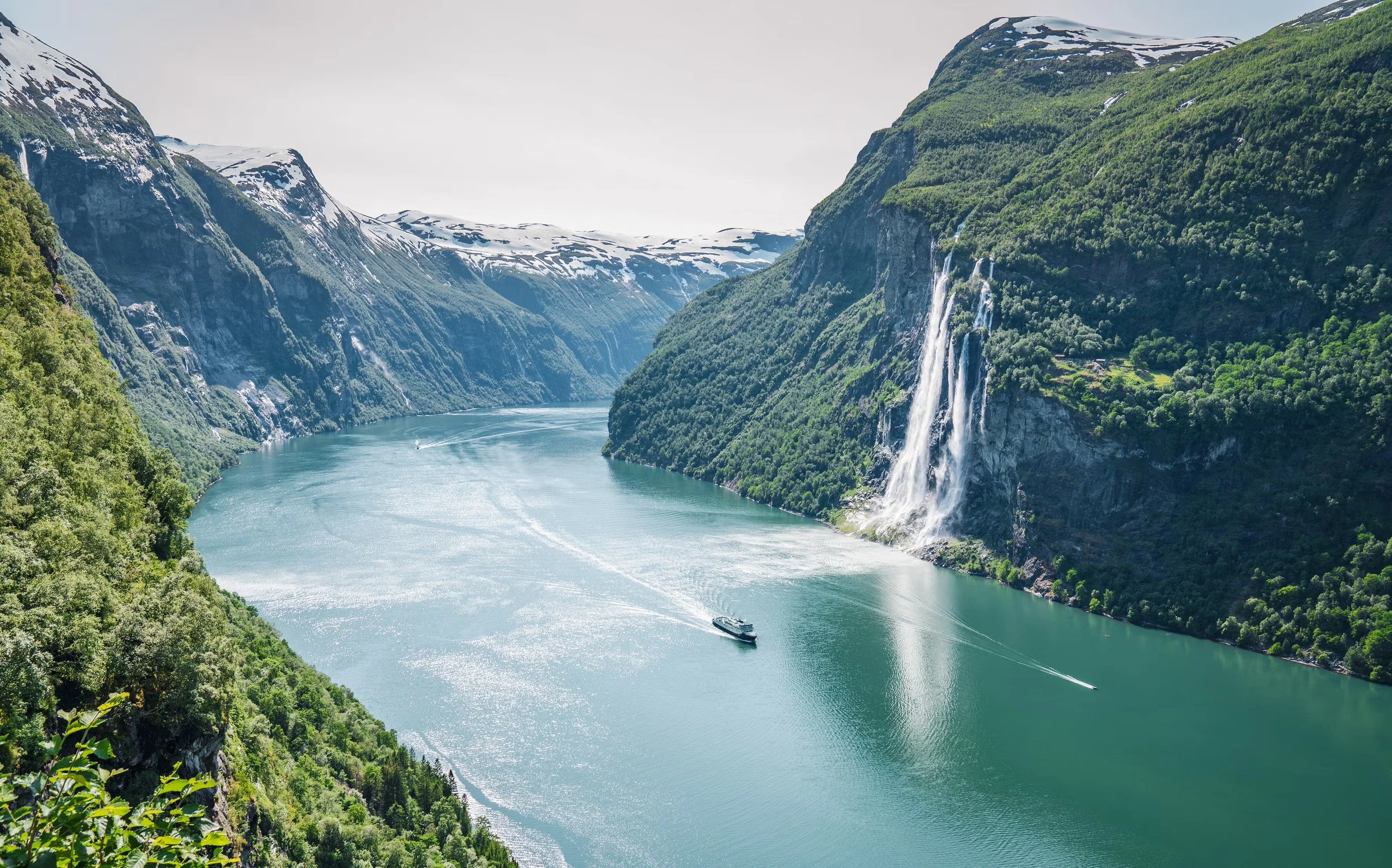
For families who want to see the fjords without the hike, a cruise is the better option.
Geirangerfjord, often called the jewel of the fjords, features cliffs that rise 1,700 meters straight up and waterfalls including the Seven Sisters and the Bridal Veil.
Nærøyfjord narrows to just 250 meters at its tightest point, framed by towering peaks, which makes it the most dramatic of the fjords. It pairs well with the Flåm Railway, one of the most scenic train rides in the country.
Sognefjord, the King of the Fjords, runs 204 kilometers (about 127 miles) and reaches 1,300 meters (0.8 miles) deep.
Norway also holds Viking history that the rest of this list does not, along with the chance to see the northern lights if timing allows. The lights stay visible from October through February, while summer, especially June through August, is peak season for warm weather travel. Families who want both, in other words, may need two separate trips to Norway rather than one.
Frequently Asked Questions About Family Travel in Europe
What is the best country in Europe for family travel with older kids or college students?
Italy and France tend to work best for families with teenagers to college age kids and adult children, since both countries mix city time with a slower pace and give older kids more independence within a trip. If your family includes a student studying abroad, Why Europe Works So Well for Summer Family Travel With Older Kids and Adult Children covers how a study abroad pickup or drop off can turn into a full family vacation. (A fantastic idea!)
What age should kids be before traveling to Europe as a family?
Most of the families we work with wait until their kids are at least eight years old before their first big European trip, though the right age depends on the family. Many of our clients travel with teenagers, college students, or a mix of both, especially when the trip centers on picking up or dropping off a student studying abroad.
Is Italy or Ireland a better fit for a first family trip to Europe?
Italy works well for families who want city variety and food as a central part of the trip. Ireland suits families who want scenery, history and an easier pace, especially with a driver guide handling the logistics. Ireland, All the Way Around goes into more detail on how that kind of trip comes together.
When is the best time of year to plan a family trip to Europe?
Summer remains the most popular season for family travel in Europe because of school schedules, though September brings fewer crowds in destinations like Italy. In Norway, October through February is the best window for the northern lights, while June through August suits families who want warm weather and long days outdoors.
Do families need to rent a car to see places like the Ring of Kerry or the Loire Valley?
A driver guide covers the Ring of Kerry and the rest of an Ireland itinerary without a family needing to rent or drive a car themselves. In the Loire Valley, biking between chateaus is common, and a driver or guide can also handle the Provence and French Riviera portion of a France itinerary.
Is Norway a good fit for family travel, or is it better suited to adults?
Norway works for families of most ages, particularly those who enjoy hiking and outdoor activity, though the three main hikes, Trolltunga, Pulpit Rock and Kjerag, involve real elevation gain. Families who want the scenery without the climb can see the fjords by cruise or take the Flåm Railway instead.
Which Country Is Right for Your Family’s Trip To Europe?
No wrong choice exists among these five countries, only a better fit for how your family wants to travel. Italy rewards families chasing food and easy movement between cities. Ireland fits families who want scenery awith someone else handling the driving. Spain suits families drawn to architecture and layered history. France works for families who cannot agree on one kind of trip, because it offers several within its borders. Norway gives adventurous families the best of the outdoors.
Every family we work with brings a different mix of ages, interests and energy levels, and the right country depends on that mix more than any single best answer. Our recommendations reflect your family’s interests, priorities, and travel style, with destinations and experiences selected because they are the right fit for you.
If your family includes a student studying abroad, a group of college kids and parents, or simply a wide age range, reach out and we will help match your family to the right country and the right trip.
Or start with our free guide, Tucked Away Treasures, for a broader look at the destinations we recommend this year.
