Why Europe Works So Well for Summer Family Travel With Older Kids and Adult Children
Travel gives families a different kind of time together than everyday life usually allows. Being in a new place, moving through new routines, and sharing decisions and experiences creates room for real conversation, shared perspective, and time that feels focused.
For many families, time at home is shaped by full schedules, holidays, and short visits. Attention is divided, and time together can feel limited.
Family travel, especially with multiple generations, changes that. Away from the usual distractions, people have space to relax and enjoy one another. Conversations come easily. There is time to share stories, play games, joke around, and talk about what everyone is seeing and experiencing.
When life allows for it, this kind of family travel can be one of the most meaningful ways to spend time and resources together. It gives families the chance to reconnect, share new experiences, and enjoy time together in a way that is often hard to create at home.
How to Structure Family Travel Without Overplanning
Planning family travel well starts with acknowledging reality. Different ages and personalities bring different energy levels, interests, and expectations. Ignoring that can sometimes lead to friction.
The goal is not constant togetherness or perfectly synchronized days. It is a light structure that supports shared time where it matters, without forcing it, and leaves room for everyone to have some independence.
A simple daily plan usually works best. One shared activity gives the day focus and a natural reason to come together. Shared meals matter too, especially when they are unrushed and easy for everyone to enjoy.
The rest of the time can stay open, but not empty. Some people may want to keep exploring, walk a little farther, or add something spontaneous. Others may want downtime.
That balance is especially important in family travel with multiple generations, where different energy levels and interests are part of the trip.
Why Europe Works So Well for Family Travel With Adult Kids
Europe works especially well for family travel with adult kids because there is substance to the experience. The trip is not just about checking off sights. It gives families the chance to learn, notice, talk, and experience something new together.
That might look like:
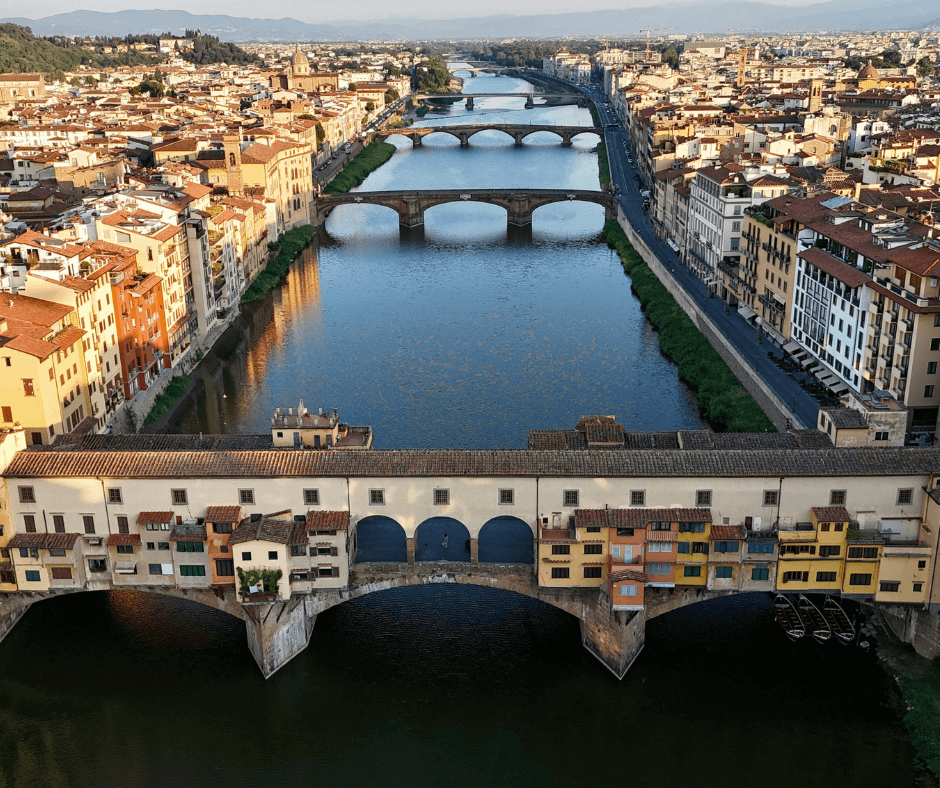
Learning about local history in Florence
Walking through different neighborhoods in Lisbon
Sitting down for a long dinner in Paris and talking about the day
These kinds of experiences give everyone something to connect around. They also give adult kids the chance to come home having learned something new, not just having gone somewhere new.
Traveling with adult kids comes with its own rhythm. Everyone has their own interests, habits, and comfort levels, and Europe supports that well. Walkable cities, good rail connections, and a strong mix of planned activities and open time make it easier for everyone to enjoy the trip in their own way while still spending meaningful time together. One person may care most about art, another about food, another about history, but the trip still feels shared.
Just as important, Europe creates a setting where families can enjoy being together. Long meals, beautiful surroundings, and experiences with some depth help the trip feel thoughtful without making it feel over planned.
When the logistics are well organized, families can spend less energy managing the day and give their attention to the time they are sharing.
A 10-Day Europe Itinerary for Family Travel With Adult Kids
This 10-day Europe itinerary is designed as an aspirational example for family travel with adult kids. It brings together culture, good food, beautiful settings, and meaningful shared experiences, while still leaving room for everyone to enjoy parts of the trip in their own way.
Family travel in Europe can also be shaped around city pairs, a slower pace, or a one-country itinerary, depending on what fits your family best.
Days 1–3: Paris – Culture, Good Food, and Time to Settle In
Paris is a strong place to begin because it gives the family a few memorable shared experiences right away, with plenty of room for individual interests, too. It is a city that feels rich and layered from the start.
If France is on your list, you can also read our France vacation guide for added ideas and inspiration.
Day 1: Arrive and settle into a well-located hotel in one of the city’s central neighborhoods. Keep the first day simple with an easy walk through Saint-Germain-des-Prés, then sit down for a relaxed welcome dinner at a classic French bistro.
Day 2: Plan a private guided visit to the Louvre or Musée d’Orsay in the morning. Leave the afternoon open for shopping, a Seine cruise, or time at a café. Come back together in the evening for a food-focused experience or a wine tasting.
Day 3: Visit Montmartre for wide city views and a different side of Paris. Leave time for everyone to explore on their own before dinner together that evening.
Days 4–6: Florence – Art, History, and a Day in Tuscany
Florence adds art, history, and great food in a way that feels engaging without feeling too packed. It is an easy city to enjoy on foot, and it works especially well for families who want both cultural depth and a little breathing room.
Day 4: Travel to Florence and settle into a beautiful hotel or private apartment near the historic center. Spend the evening walking, getting your bearings, and having dinner nearby.
Day 5: Start with a private tour of the Duomo and Accademia Gallery. Keep the afternoon open for shopping, a slow lunch, or time to wander the streets. End the day with drinks and views from a rooftop.
Day 6: Take a day trip into Tuscany for a vineyard visit and lunch in the countryside. A hands-on cooking class can work especially well here for families who enjoy doing something together.
Days 7–10: Barcelona – A Coastal Finish With Culture and Downtime
Barcelona is a great final stop because it shifts the energy of the trip. It still offers culture and strong sightseeing, but it also gives everyone space to unwind before heading home.
Day 7: Arrive in Barcelona and settle into a stylish hotel near the Gothic Quarter or closer to the water, depending on the feel you want for this final stretch. Head out for tapas that evening and keep the rest of the night easy.
Day 8: Plan a private architecture tour focused on Gaudí. Leave the afternoon open for beach time, shopping, or downtime at the hotel.
Day 9: Choose a shared experience like a sailing outing or a cooking class. Then leave the evening flexible so everyone can spend it the way they want.
Day 10: Have a slow breakfast or brunch before heading home.
How I Help Families Make a Trip Work for Everyone
Last summer, a mom reached out after realizing her whole family had something rare: one full week when everyone was free. It felt too special to let pass by. Within a few days, we were building a European trip around the interests and needs of the whole group.
That is a big part of what I do in planning family travel. I look at who is traveling, what each person enjoys, how everyone likes to spend their time, and what kind of pace will make the trip feel good from start to finish. For this family, that meant walkable cities, history, cultural experiences for the kids, great food, and a balance of activity and downtime.
Even though the trip came together on short notice, it worked beautifully because it was thoughtful and personalized from the start. Instead of trying to piece things together as they went, they were able to settle into the experience and enjoy being together. The trip gave everyone something to look forward to and enough flexibility for it to work well for the group as a whole.
That is where experience matters. Family travel works best when the trip reflects the people taking it. When the right places, pace, and structure are in place, families can spend less energy managing the trip and give their attention to the time they are sharing.
It is wonderful to plan around a celebration, a milestone, or a certain season. But sometimes the best decision is simply to go when the window opens. Time together matters more than perfect timing.
Ready to Plan Your European Summer Family Trip?
No matter where you go, the way the trip is planned matters just as much as the destination itself. A shared activity each day gives everyone a reason to come together. Good meals give the day something to look forward to. Built-in flexibility leaves room for each person to enjoy the trip in a way that feels good to them.
That is a big part of why family travel can be so meaningful. It gives families something that can be hard to come by at home: uninterrupted time together, shared experiences, and memories made in a setting that feels different from everyday life.
If you are thinking about family travel in Europe this summer, I would love to help you sort through the options. We can help you decide which destination, or combination of destinations, fits your family’s preferences, priorities, interests, and goals.
Schedule a travel planning session with Allison to get started.
FAQs About Family Travel with Adult Kids
How do you plan a trip that everyone will enjoy?
Start by finding out what each person wants from the trip. One person may care most about food, another about history, another about shopping, and another may just want a quiet afternoon to read by the pool. A good plan includes a few shared priorities each day, but not so much that people feel dragged from one thing to the next.
Who should pay for what?
There is no fixed rule, and families handle this in different ways. Some parents host the trip. Others split the hotel and let each household pay for meals, airfare, and activities separately. The important part is talking about it early, before anything is booked, so everyone understands the plan.
How do you avoid family tension on vacation?
Do not try to do everything together all day. Family trips usually go better with one or two shared plans, then time for people to do what suits them. That could mean a guided visit in the morning, then shopping for one person, beach time for another, and pool time for someone who wants to sit with a book. It also helps not to wear everyone out with too many museum visits or too much information in one day.
Is it better to stay together or book separate spaces?
It depends on your family. Some families love a villa or multi-bedroom suite because it makes breakfast, drinks before dinner, or time by the pool easy to enjoy together. Others prefer separate hotel rooms so everyone can recharge at the end of the day. In most cases, comfort and privacy matter more than keeping everyone under one roof.
What types of experiences work best with adult children?
The best experiences are the ones that give everyone something to enjoy and talk about afterward. That could be a cooking class, a food tour, a day at the beach, shopping in a great neighborhood, a boat day, or a relaxed dinner in a place worth lingering. Usually, a mix works best. Not every day needs a guide, a long museum visit, or a full schedule.
How far in advance should we plan a family trip to Europe?
Earlier is usually better, especially for summer. The best hotel options, family room setups, and guides tend to book up first. Planning several months ahead gives you better choices and a smoother process. That said, a shorter timeline can still work with the right plan.
How do we balance time together and independence?
A simple structure usually works best. Plan one or two shared anchors each day, then leave room around them. That might mean a guided visit in the morning, free time in the afternoon, and dinner together that evening. This gives everyone time together without making the trip feel too scheduled.
Is Europe a good choice for family travel with adult kids?
Yes. Europe works very well for family travel with adult kids because it offers a strong mix of history, food, culture, scenery, and ease of getting around. It also works well for groups with different interests. One person may want art, another may want shopping, another may want beach time, and another may want a long lunch and a quiet afternoon. Europe makes it easier to build a trip that gives everyone something they enjoy.
How do you choose the right European destination for your family?
Start with the kind of trip your family wants. Do you want cities, coastline, countryside, or a mix? Do people care most about food, history, museums, shopping, beach time, or slower days? It also helps to think about walking tolerance, energy levels, and how often your group wants to change hotels. The right destination is the one that fits your family’s interests and how you want to spend your time, not just the place that looks best online.
Should we visit one country or more than one?
That depends on how much time you have and how your family likes to travel. One country is often the better choice for a 7- to 10-night trip because it keeps the trip simpler and cuts down on packing, transit, and hotel changes. More than one country can work well if you have enough time and want variety, but it needs to be planned carefully so the trip does not start to feel rushed.
What is the best time for family travel in Europe?
Summer is the easiest time for many families because schedules line up better, especially when adult kids are working around limited vacation time. June is often a very good choice because the weather is usually pleasant and the season is underway without being quite as busy as July and August. September can also work well for families with older kids or adult children, especially if you want warm weather with a slightly calmer pace. The best timing depends on your destination, your priorities, and when your family can travel together.
How long should a family trip to Europe be?
For most families, 7 to 10 nights is a very good range. That gives you enough time to settle in, enjoy the destination, and include some downtime without feeling like you are constantly moving. If you want to visit two places, 10 to 14 nights usually works better. Shorter trips can still be great, but they tend to work best with one hotel base and a simple plan.