
Expert Guide: Why a Trip to Portugal Belongs on Your 2026 Travel Calendar

It’s no wonder Portugal has become one of Europe’s most talked-about destinations. A trip to Portugal isn’t just about checking cities off a map—it’s about weaving together wine country, golden coastlines, historic alleyways, and lively plazas into one seamless experience.
Whether you’re planning a family celebration, a romantic getaway, or simply carving out time for exploration, Portugal offers the perfect mix of culture, scenery, and ease of travel.
On our recent trip to Portugal, we celebrated law school graduations and 25 birthdays and 27th wedding anniversaries across Porto, the Douro Valley, Setúbal, the Algarve, and Lisbon.
Each region had its own personality:
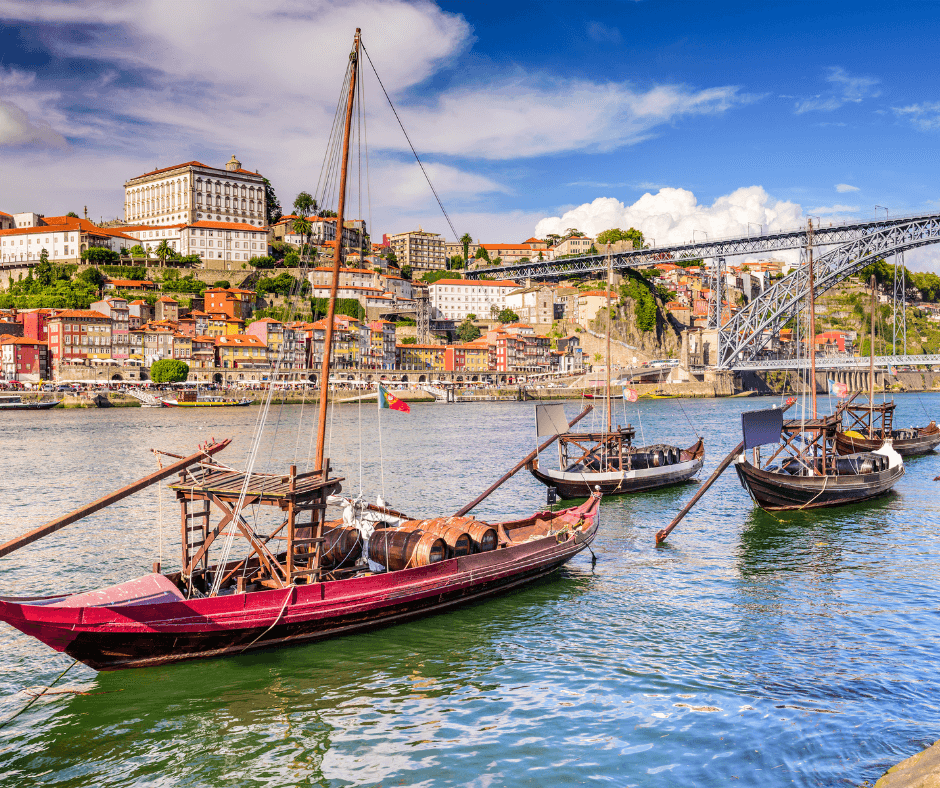
Porto charmed us with riverside views, boutique shopping streets, and a rooftop pool at our hotel
The Douro Valley dazzled with vineyard hikes and sweeping UNESCO-protected landscapes
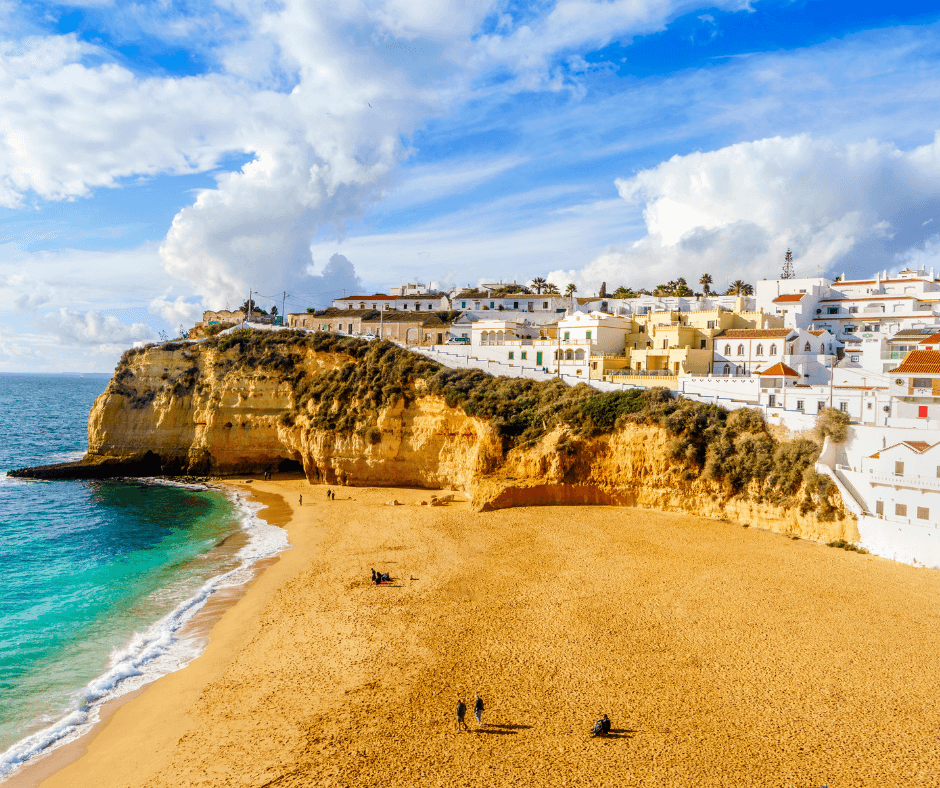
The Algarve gave us our most fun day yet, cruising the coastline by private yacht
Lisbon tied it all together with its up-and-down streets, quaint neighborhoods, and an unforgettable sidecar tour
Portugal proved to be a destination that has something for every type of traveler—and it’s easy to see why it should be high on your 2026 list.
Key Takeaways:
Food and history in one place
Great places to stay
Little adventures off the path, some of our favorite moments
Our planning tips before you go
Why Visit Portugal?
Portugal is a love letter to beauty, culture, and incredible food—all wrapped into one very approachable destination.
Wander Lisbon’s vibrant neighborhoods, where cobblestone streets lead to sweeping views and charming cafés. Explore Porto, the birthplace of port wine, and cruise along the Douro River, surrounded by terraced vineyards. Escape to Sintra’s whimsical palaces or the Algarve’s golden beaches, where the pace slows and the sunsets stun.
From fresh seafood to warm pastel de nata, Portugal’s culinary scene is reason enough to visit. Add in its history and charm, and you have a destination that feels both effortless and extraordinary.
Where to Stay in Portugal: Boutique Charm, Vineyard Views, and Seaside Escapes
Portugal offers a beautiful balance of old-world charm and coastal calm, and where you stay can shape your entire experience. Portugal offers hotels that can feel like part of the experience and adventure.
Boutique Hotels
Boutique hotels are a common choice for their intimate spaces where traditional Portuguese architecture meets thoughtful modern touches. Picture azulejo-tiled courtyards, airy rooms with Juliet balconies, and breakfasts made with ingredients from the local market.
In Lisbon, The Lumiares stands out with its rooftop restaurant and bar overlooking the city’s rooftops and winding streets—a perfect base for exploring, then returning for sunset with a glass in hand.
Just south of Lisbon, Casa Palmela absolutely captured our hearts. Family-owned and filled with warmth, it was the most memorable stay of our trip—a place where hospitality feels effortless and personal.
Historic Sites
For travelers craving a sense of history, converted palaces and monasteries offer unique stays. These properties blend grandeur—vaulted ceilings, antique furnishings, manicured gardens—with the kind of quiet luxury that invites you to slow down and truly unwind.
And for those who prefer to be in the heart of the city, The Yeatman Hotel offers panoramic river views and a location that puts Porto’s history at your doorstep.
Seaside Retreats
Seaside escapes are equally appealing. Along the coast, you’ll find everything from minimalist villas with sweeping ocean views to wellness resorts with yoga decks, infinity pools, and the sound of waves.
We loved Vila Foz, a short drive away from the bustle of the city center and directly across from the Atlantic beach. We loved the spa area here.
Along the southern coast, our family especially enjoyed Vilalara, where the beachfront setting invites long days in the sun. We also recommend Vila Vita Parc next door, just a bit of a different aesthetic.
On our next trip, we plan to explore Comporta, the chic coastal retreat south of Lisbon. Sublime Comporta is already at the top of our list for its simple elegance and connection to nature.
Countryside Escapes
For those who want to immerse themselves in Portugal’s countryside, family-run quintas (estates) and vineyard guesthouses pair rustic charm with the warmth of local hospitality.
Spending a few nights in the Douro gave us a bit of a break from the city life at Torel Quinta Da Vacaria. It was quiet, beautiful and restful and we enjoyed lounging at the pool, hiking and, of course, wine tasting. And again, our family thoroughly enjoyed the Calla Spa.
Portugal’s hotels are more than places to rest—they invite you to slow down, connect, and experience the country from a different perspective.
The Best Time to Visit Portugal

With more than 300 days of sunshine each year, Portugal is a destination that shines in every season. Our family visited in August, and it was a wonderful time to explore—from lazy beach days in the Algarve to late evenings strolling Lisbon’s neighborhoods.
Spring (April–June) brings blooming hillsides, mild temperatures, and a gentler pace—ideal for sightseeing before the summer rush. Summer (July–August) is vibrant and full of energy, especially along the coast, though city streets can be crowded. Autumn (September–October) is one of our favorite times: grape harvests in the Douro Valley, warm evenings in Lisbon, and fewer travelers overall.
Even in winter, Portugal has its own appeal. Cooler days invite cozy afternoons in Porto’s wine bars, while Lisbon glows under festive lights and lively markets. Every season reveals a different side of Portugal—you simply choose the atmosphere that feels right for you.
Top Things to Do on Your Trip to Portugal Beyond the Classics
Of course, a trip to Portugal should include Lisbon’s tiled streets, Porto’s riverfront, and the golden cliffs of the Algarve. But the real delight comes when you go a little further.
Spend a day wine tasting in the Alentejo, where rolling vineyards and silvery olive groves stretch endlessly across the countryside. Take a ferry to Madeira or the Azores for volcanic peaks, coastal trails, and landscapes that feel worlds away from the mainland. Or wander the historic streets of Évora, where Roman temples and Gothic cathedrals quietly share the same skyline.
One of our favorite memories was a sunset yacht cruise along the Douro River—watching Porto glow from the water offered an entirely new perspective on the city. Further south, we loved visiting the small town of Loulé, where local artisan culture thrives and traditional crafts still shape everyday life. These moments, slightly outside the usual path, gave us a deeper appreciation for Portugal’s rhythm and soul.
Portugal reveals its heart in the smaller details: slipping into a hidden fado bar where music carries late into the night, watching fishermen mend their nets in a seaside village, or biting into a warm pastel de nata from a bakery that has spent generations perfecting the recipe - YUM!
We loved discovering that beyond the highlights lies a Portugal that feels personal and timeless.
Travel Tips and Things to Know About Visiting Portugal
You might have some questions before you plan your trip to Portugal. Don’t find out the hard way! Here are some quick facts that you should know about Portugal before going.
Where to go in Portugal for first-timers?
Most first-time visitors start with Lisbon for history and culture, Porto for wine and riverside charm, and the Algarve for golden beaches. Together, these three regions give a well-rounded introduction to Portugal.
How many days are ideal for Portugal?
Seven days is enough to experience Lisbon, Porto, and a day trip or two. Ten to fourteen days lets you slow down and add in the Algarve, the Douro Valley, or smaller towns like Évora and Sintra.
What not to do in Portugal as a tourist?
Don’t assume everyone speaks Spanish—Portuguese is the national language. Avoid being overly loud in restaurants and remember to wait to be seated instead of choosing your own table.
Is English widely spoken in Portugal?
Yes, especially in Lisbon, Porto, the Algarve, and among younger generations. In rural areas, you’ll encounter fewer English speakers, but locals are generally patient and welcoming.
Do I need a car in Portugal?
Not if you’re sticking to Lisbon, Porto, or the Algarve’s main towns—Portugal’s trains and public transport are excellent. But if you’d like to explore wine country, countryside villages, or hidden beaches, renting a car makes travel much easier.
Is there Uber in Portugal?
Yes, Uber works in Lisbon, Porto, and parts of the Algarve. In smaller towns, taxis are more common.
What currency is used in Portugal?
Portugal uses the Euro. Credit and debit cards are widely accepted in cities, hotels, restaurants, and larger shops. Still, it’s wise to carry a little cash for markets, cafés, taxis, or rural stops.
What is authentic Portuguese food?
Start with bacalhau (salt cod, cooked in endless variations), caldo verde (kale and potato soup), grilled sardines, bifana (a pork sandwich often enjoyed with mustard), and of course, pastel de nata (the famous custard tart best eaten warm).
Do I need insurance to go to Portugal?
Travel insurance isn’t legally required for U.S. travelers, but we always recommend it. Insurance can cover unexpected medical care, trip delays, cancellations, or emergencies.
Are Portuguese people friendly to Americans?
Yes. In our experience, Portuguese people are warm, welcoming, and genuinely hospitable to visitors from everywhere.
Do I tip in Portugal?
Tipping is appreciated but not expected. Locals often leave small change or round up the bill. For excellent service in restaurants, 5–10% is a nice gesture.
Can I drink tap water in Portugal?
Yes, tap water meets EU safety standards and is safe to drink. In some older buildings, pipes can affect the taste, so many locals prefer bottled or filtered water—but it’s perfectly fine to drink.
Do I need an adapter in Portugal?
Yes. Portugal uses 220V electricity and European-style plugs (types C and F). U.S. travelers will need an adapter, and in some cases, a converter for electronics that don’t support dual voltage.
Is Portugal expensive to visit?
Portugal is often more affordable than many Western European destinations. Dining, wine, and even boutique hotels tend to offer excellent value, though prices rise in peak summer, especially along the Algarve.
Is Portugal Your Next European Adventure?
Whether it’s the sun-drenched beaches of the Algarve, the winding cobblestone lanes of Lisbon, or the elegance of historic estates and boutique stays, Portugal has a way of staying with you long after you return home.
This is a country where mornings can begin with vineyard views in the Douro Valley and evenings end with a seaside sunset over the Atlantic. Lively cities brim with culture, while tranquil coastal retreats invite you to slow down. Everywhere you go, Portugal blends adventure with ease, curiosity with comfort, and beauty with authenticity.
If Europe is on your horizon, Portugal may well be the place that captures your heart next.
Book your complimentary Travel Planning Session with Allison to start planning your trip to Portugal.