
Wine Regions in France: Vineyards, Villages, and Views
From the bold, full bodied reds of Bordeaux to the bright, tangy rosés of Provence, French wines are celebrated worldwide for good reason. But the phrase “French wine” barely scratches the surface. The wine regions in France each have their own traditions, specialties, and personality, and that is exactly what makes planning so fun.
France’s geographic diversity also makes it impossible to do everything in a single trip. Between world class museums, stunning natural landscapes, unforgettable gastronomy, and centuries old vineyards, there is simply too much to see and taste, in the best possible way.
Whether you want to blend a few wine focused days into a broader itinerary or build an entire journey around vineyard hopping, you have wonderful options. Below, we will share an overview of France’s central wine regions, what each one does best, and itinerary ideas to help you plan an experience that fits your travel style.
Get our France vacation guide right here.
6 Wine Regions in France
From the rolling hills of Provence to the historic châteaux of Bordeaux, these wine regions in France each come with their own traditions, scenery, and way of doing things. If you’re deciding where to build in tastings, these are some of the most celebrated regions to know and consider.
1. Bordeaux
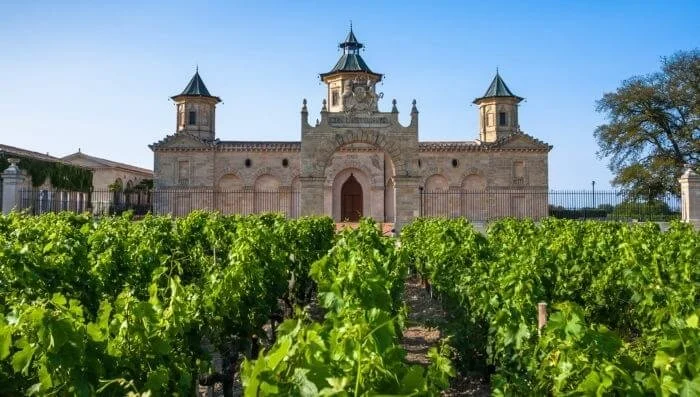
The Bordeaux wine region is defined by leafy vineyards, elegant châteaux, and wines with real presence, the kind that have anchored French wine culture for centuries.
Steeped in history and tradition, Bordeaux is best known for red blends built around Cabernet Sauvignon and Merlot. These age worthy wines helped cement the region’s global reputation, but Bordeaux is far more than red wine alone.
You’ll also find crisp white wines and beautiful sweet wines that add range and variety, making Bordeaux a strong fit for travelers who want classic France, a sense of place, and a wine region that pairs easily with culture, food, and a bit of countryside.
Bordeaux: How to experience it
One of the most memorable ways to experience the Bordeaux wine region is with a private château visit and tasting in the Médoc or Saint Émilion. It’s the kind of day where grand estates and centuries old vineyards make the winemaking story feel tangible, not just something you read about.
For a perfect contrast, pair your wine day with the coast. Head to Arcachon or Cap Ferret for fresh oysters and a relaxed seaside lunch. It’s an easy way to balance structured tastings with that breezy, salty air France does so well.
A quick look:
When to go: Spring and fall bring comfortable temperatures and fewer crowds. July and August are high seasons and can be warm.
What to drink: Try grand cru wines from the Médoc or Saint Émilion. If you enjoy whites, it’s also worth seeking out the region’s crisp white wines, and if you like something sweeter, Bordeaux has gorgeous options there, too.
2. Burgundy (Bourgogne)
Burgundy (Bourgogne) is made for travelers who want to understand wine, not just drink it.
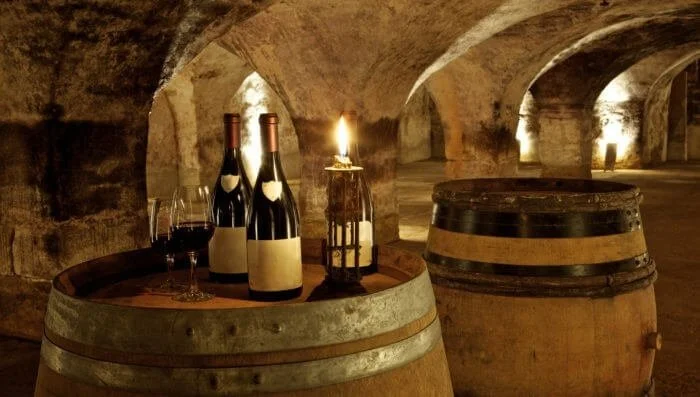
Tiny villages and vineyard parcels define this storied region. Pinot Noir and Chardonnay can taste dramatically different from one slope to the next, which is exactly why Burgundy is often considered the ultimate lesson in nuance and place.
A classic Burgundy day starts with a cellar tasting in or near Beaune, the region’s historic wine capital. From there, take a leisurely drive or bike ride along the Route des Grands Crus, passing some of the world’s most celebrated vineyards in a surprisingly compact stretch of countryside.
A quick look:
When to go: Summer is a beautiful time to tour. August through October is harvest season, and you’ll also catch gorgeous fall colors.
What to drink: If you’re going to splurge, look to the Côte d’Or, especially the Côte de Nuits and Côte de Beaune, for some of the best Burgundy has to offer.
3. Champagne
Champagne is one of the most iconic wine regions in France, and it earns its reputation the moment you step underground. Think cool, chalk lined cellars, centuries old maisons, and that unmistakable sparkle that feels like it was made for celebrating.
Because it’s so close, Champagne is also an easy and rewarding add on to a Paris itinerary. A classic day looks like a cellar tour and tasting at a top house in Reims or Épernay, then a stop at Reims Cathedral, where French kings were crowned. It’s a beautiful pairing of wine and history, with just enough grandeur to feel special without feeling overdone.
A quick look:
When to go: Champagne works year round, but October and November are favorites for a quieter feel and lovely fall light.
What to drink: When you’re in Champagne, drink Champagne. If you like to compare styles, try a classic blend alongside a Blanc de Blancs, then finish with something a little more expressive, like a vintage or a rosé.
4. The Rhône Valley
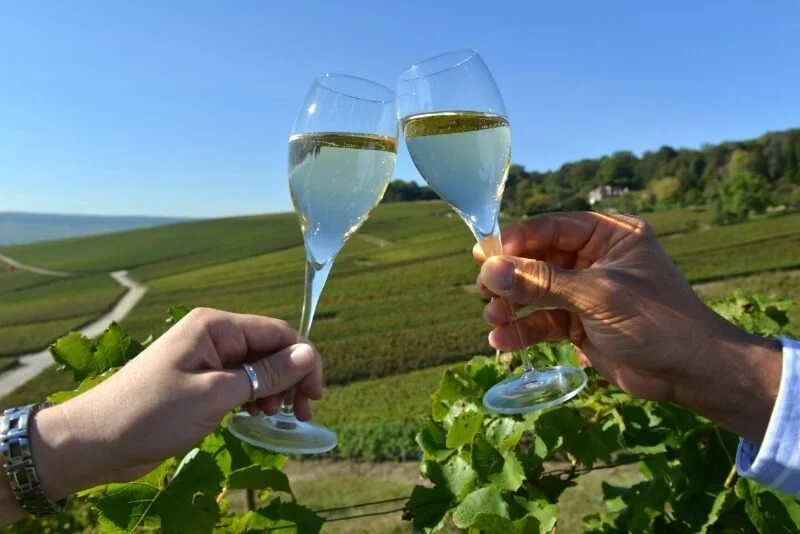
The Rhône Valley is one of those wine regions in France that gives you two distinct experiences in one route. In the north, steep, dramatic hillsides produce refined, expressive Syrah wines known for structure and elegance. Head south and the landscape softens into villages and rolling vineyards, with a warmer, more relaxed feel.
That contrast is exactly what makes the Rhône wine region such a strong fit for travelers who love character driven reds and meals that linger.
A must do in the southern Rhône is a guided tasting day through historic estates and galet strewn vineyards, then a slow afternoon wandering Avignon’s old streets with a stop at the Palais des Papes. Wine, history, and that Provençal charm play very nicely together here.
A quick look:
When to go: Late spring through early fall, May to October, is ideal for warm, sunny days and easy vineyard drives or bike rides.
What to drink: In the north, look for Syrah from Côte Rôtie or Hermitage for structured, elegant reds. In the south, try blends from Châteauneuf du Pape, Gigondas, or Vacqueyras for bold, sun soaked flavors that pair beautifully with Provençal cuisine.
5. Provence
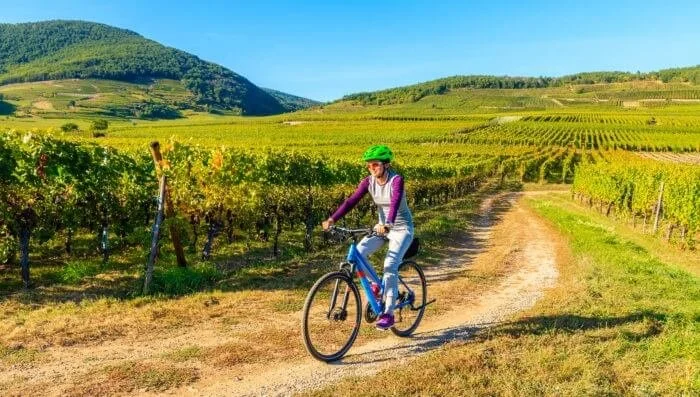
Provence instantly feels like a vacation. Think soft golden light, colorful market towns, and leisurely seaside lunches that somehow stretch into late afternoon.
When lavender is in season, the landscape turns the volume up even more. Wine here is woven into everyday life, meant to be shared slowly alongside good food and even better conversation.
Rosé is the signature, and it fits Provence perfectly. Plan a rosé tasting at a countryside estate, then spend the rest of the day village hopping through the Luberon. Stops like Gordes, Roussillon, and Bonnieux deliver sweeping views and small artisan shops that make it easy to linger.
For a coastal contrast, add a day in Cassis for turquoise water, fresh seafood, and that easy wine and life feeling Provence does so well.
A quick look:
When to go: Spring and fall are lovely. Summer is beautiful too, especially if you want to align your trip with local festivals.
What to drink: Start with rosé. You can also try Châteauneuf du Pape and Gigondas if you want reds with more depth, and locals love pastis, which is worth a sip before dinner.
Read our Provence vacation guide.
6. Loire Valley
The Loire Valley is a wine region in France that works beautifully when you want wine woven into the trip, not running the whole show. It’s slightly under the radar, scenic, and a great fit for travelers who want a balanced mix of tastings, villages, and culture.
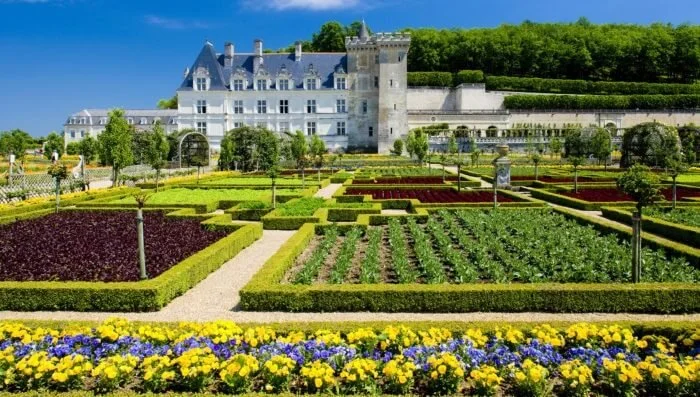
The landscape is all rivers, gardens, and château country, with a relaxed feel that makes it easy to settle in. The Loire Valley wine region is best known for bright, refreshing white wines from areas like Sancerre and Pouilly Fumé, plus elegant Cabernet Franc reds.
A well paced day here might include a tasting near the Sancerre or Pouilly Fumé vineyards, followed by a visit to an iconic château, often Château de Chenonceau or Château de Chambord. If you want one memorable splurge that still feels easygoing, a sunrise hot air balloon ride over the river and vineyards is a beautiful way to see the region.
A quick look:
When to go: May through June and September through October are ideal for comfortable days and beautiful scenery.
What to drink: Sancerre and Pouilly Fumé are the classics. We also enjoy Muscadet and Rosé d’Anjou, especially if you like lighter, fresher styles.
We’ll Plan Your Wine Regions in France Itinerary
Exploring wine regions in France is not just about tasting great bottles. It’s about choosing places that add something meaningful to your trip, whether that’s a private château visit in Bordeaux, an afternoon in Beaune in Burgundy, or a rosé stop that pairs perfectly with a coastal day in Provence.
When wine, food, and culture are planned in the right order, the whole experience feels easy and natural, with time to linger and enjoy along the way. We’ll design a personalized itinerary through the best wine regions in France, with calm, clear logistics, right fit hotels, and thoughtfully chosen tastings and experiences that match your travel style.
Schedule a Travel Planning Strategy Session, and we’ll match you with the vineyards that fit you best.
FAQs About Wine Regions in France
How many wine regions are there in France?
France has more than a dozen major wine regions, and each one includes many sub regions and appellations. The most well known wine regions in France include Bordeaux, Burgundy, Champagne, the Rhône Valley, Provence, and the Loire Valley. Each offers a different style of wine and a different travel experience.
Can you visit French wine regions without being a wine expert?
Yes. You do not need to be a wine expert to enjoy wine tasting in France. Tastings are usually welcoming and educational, and wine is often just one part of the day alongside food, villages, history, and scenery. Provence and the Loire Valley are especially easy for travelers who enjoy wine casually.
Which French wine region is easiest to visit from Paris?
Champagne and the Loire Valley are the easiest add-ons from Paris, often reachable by train in about 1–2 hours. Burgundy and Bordeaux are also accessible by high speed rail, which makes them great options for a shorter trip.
Do you need a car to visit wine regions in France?
Not necessarily. Many travelers prefer not to self drive, and it is often the more enjoyable choice in wine country. Cities like Bordeaux, Reims, and Beaune are walkable and well connected by train, and you can layer in a private driver or guided day for vineyard visits and countryside estates. This keeps the day easy, helps with timing, and lets everyone relax and enjoy the tastings.
Are wine regions in France formal?
Some can be, particularly in Bordeaux and Champagne, where appointments and structured tastings are common. Other regions, like the Loire Valley and parts of southern France, tend to feel more relaxed. Either way, planning ahead is recommended, especially for smaller producers and private experiences.
What’s the best time of year to visit French wine regions?
Late spring (May–June) and early fall (September–October) are ideal. You’ll enjoy pleasant weather, fewer crowds, and beautiful vineyard scenery. Harvest season in early fall is especially atmospheric, though wineries may be busier.
Can a trip include multiple wine regions?
Yes—but it’s best not to overdo it. France’s wine regions are diverse and deserve time to explore. Many travelers pair one primary wine region with nearby cultural stops, or combine two geographically close areas, such as Champagne and the Loire Valley.
What’s the best time of year to visit French wine regions?
Late spring, May to June, and early fall, September to October, are ideal for comfortable weather, fewer crowds, and vineyard scenery. Harvest season in early fall can be a wonderful time to visit, but wineries may be busier and have tighter schedules.
Can a trip include multiple wine regions in France?
Yes, but it’s best not to pack in too many. France’s wine regions are diverse, and each one deserves time. Many travelers choose one primary region and add nearby cultural stops, or combine two areas that are close together, such as Champagne and the Loire Valley.
How many days do you need in a French wine region?
For most travelers, two nights is a solid minimum. Three to four nights is ideal if you want a mix of tastings, village time, and a slower rhythm. If you are adding a wine region as a side trip from Paris, a well planned day trip can still be worthwhile, especially with a driver and a clear plan.
Do you need reservations for wine tastings in France?
Often, yes. Many wineries require appointments, especially in Bordeaux and Champagne, and especially for private château visits. Booking ahead also helps you avoid long waits and ensures you are tasting at places that fit your style and interests.
Is it better to do a guided wine day or a private driver?
For most travelers, a guided day or private driver is the easiest and most comfortable way to experience wine country. It removes the logistics, gives you local context, and allows you to enjoy the day without watching the clock or worrying about roads, parking, or tasting limits.
Can wineries ship wine to the United States?
Sometimes. Many wineries can arrange shipping, and in other cases you may need to purchase through an importer or specialty retailer. Shipping rules vary, so it is best to ask during your tasting, especially if there is something you want to bring home.
Are French wine regions a good fit for non drinkers or families?
Yes. The best wine regions in France are not just about wine. They are about villages, markets, rivers, gardens, cycling routes, châteaux, and long meals. We can plan days that include one tasting, then a beautiful lunch, a town to wander, and a cultural stop so everyone feels included.
What is the difference between a wine region and an appellation?
A wine region is the broader area, like Burgundy or the Loire Valley. An appellation is a smaller, defined place within that region with specific rules about grapes and production. That is why two wines made from the same grape can taste very different depending on where they are grown.
