Avoid a Travel Emergency: What To Do When Things Go Wrong
Travel is exciting, but even the most carefully planned trips can have surprises. Knowing what to do in a travel emergency—before you leave and in the moment—can make all the difference.
Think of this as your travel emergency checklist: practical, straightforward steps for the most common problems travelers face, from flight disruptions and lost luggage to illness or a missing passport. From takeoff to touchdown, we want you to feel prepared to handle the hiccups with confidence and ease.
In this guide, we’ll cover:
What to do first in a travel emergency (who to call, what to document, and how to stay organized)
The most common travel emergencies and what to do in each situation (delays, cancellations, lost luggage, illness, and lost passports)
How to prepare before you go so small issues stay small (key documents, backups, and smart “just in case” steps)
When to lean on travel insurance, your hotel, and your travel advisor for fast solutions and support
What to do first (who to call, what to document).
Before You Leave: Prepare for Smooth Travels

A little preparation goes a long way. A simple travel emergency plan helps you avoid common issues and makes it easier to handle surprises if they pop up. Before you leave, take a few minutes to get the basics in order: documents, contacts, coverage, and a quick double-check of the details.
Before You Go Checklist
Confirm flight details (names, dates, airports, connection times) and re-check for schedule changes.
Save key documents digitally (passport, IDs, travel insurance, itinerary) and keep a copy offline.
Store emergency contacts in your phone (hotel, airline, travel insurance assistance, and your travel advisor).
Notify your bank and credit card companies of your travel dates and destinations.
Use a packing list to avoid overpacking and dragging heavy luggage everywhere.
Pack essentials in your carry-on (medications, chargers, one change of clothes, and any must-have items).
Purchase and review your travel insurance coverage and know how to file a claim or reach emergency assistance.
Share your itinerary with a trusted family member or friend at home.
In Transit: Stay Calm and Collected
Travel days can be unpredictable. Flights get delayed, connections get tight, and luggage occasionally takes its own little vacation. The goal isn’t to prevent every disruption — it’s to know what to do next so you can keep moving without panic.

Flight delays, cancellations, or missed connections
Check the airline app first for rebooking options and updated gate information. If you need help, head to the airline desk for assistance.
If the lines are long, call the airline while you wait (two paths at once is the fastest way through). If you’re not getting traction, reach out to your travel advisor so we can help with next steps and alternate options.
Lost luggage
Use your baggage claim receipt to track your bag in the airline app. Before you leave the airport, file a claim at the airline baggage desk and confirm they have your local contact details and where you’re staying.
Carry-On Essentials (So You’re Covered if a Bag Is Delayed)
Keep essentials with you (medications, chargers, and one change of clothes) so a delayed bag doesn’t derail day one.
Medications (in original bottles if possible)
Phone charger + portable battery
Passport/ID + a printed or saved copy of key travel documents
One change of clothes (and a light layer)
Toiletries basics (toothbrush, contacts, etc., within TSA limits)
Any truly “can’t travel without it” items (glasses, hearing aids, one special outfit piece)
A credit card and a little cash (separate from your wallet if you can)
During The Trip: Enjoy Every Moment
Once you arrive, your job is to enjoy the destination. Having a simple plan for what to do in a travel emergency means you can stay present—without spiraling into the “what ifs.”

Injury or illness (with travel insurance)
Get medical care first (urgent care, a clinic, or a hospital, as needed). Then call the travel insurance emergency assistance number for guidance on next steps, approved providers, and claim requirements.
Keep documentation: doctor notes, receipts, and any prescriptions. Notify your travel advisor so we can adjust plans, reschedule experiences, or coordinate logistics.
Injury or illness (without travel insurance)
Get medical care first. Save all paperwork and receipts. Let your travel advisor know right away so we can help coordinate changes, communicate with hotels, and reorganize your plan.
Lost passport (U.S. citizen)
Go to the nearest U.S. embassy or consulate as soon as possible. Bring whatever you have: a passport copy (even a photo helps), a driver’s license, and any travel documents. Contact your travel advisor so we can help adjust flights and timing while you’re getting it sorted.
Hotel room issues
Report concerns to the front desk immediately and request a specific fix (room change, maintenance, housekeeping, noise solution).
If it’s not resolved quickly, ask for a manager and document the issue (photos help). Loop in your travel advisor so we can advocate with the hotel and help find a workable solution.
Save These in Your Phone Before Day 1
Local emergency number (it’s not always 911)
Travel insurance emergency assistance line
Hotel front desk + concierge/guest services
Airline customer service number
Your travel advisor's contact info
Returning Home: Wrapping Things Up
Even the end of a trip comes with its own challenges, from lost items to travel-related illnesses. Knowing how to wrap things up safely ensures a smooth transition back home and a stress-free conclusion to your adventure.
Jet lag: If you’re struggling to adjust back to your routine, hydrate, ease your sleep schedule back gradually, and be kind to yourself—it’s part of the process.
Damaged luggage: File a claim immediately (ideally before you leave the airport), take photos of the damage, and follow up with the airline’s baggage service team.
What To Do If…
I lost my passport while traveling.
Report the loss immediately to the local authorities, then contact your nearest embassy or consulate. They can issue an emergency or replacement passport. Keep copies of your passport to speed up the process.
I get sick or injured abroad.
Seek medical attention right away, even for minor issues. Contact your travel insurance provider before treatment if possible, as they can direct you to approved facilities and help coordinate care. Save all receipts and medical reports for reimbursement.
A natural disaster happens.
Follow the instructions from the local authorities and your accommodation. Stay indoors if advised, avoid unnecessary travel, and keep updated through official alerts and local news. Contact your travel advisor or airline for rebooking support once it’s safe.
I need a doctor abroad and don’t speak the language.
Start with your hotel or accommodation staff. They can often recommend a trusted clinic or arrange a doctor visit. If you have travel insurance, contact your provider for guidance. Your travel advisor can also help coordinate care and adjust plans as needed.
I ran out of a prescription medication while traveling.
Contact your travel insurance provider or hotel staff for guidance on local pharmacies and clinics. If you have a copy of your prescription, it can help speed up the process. Notify your travel advisor so we can assist with logistics and any needed itinerary changes.
My phone is lost, stolen, or stops working abroad.
Use your offline backup plan: written phone numbers and addresses, printed confirmations, and a saved copy of your itinerary. Contact your hotel for help with calling your airline or insurance provider. If needed, your travel advisor can help coordinate next steps while you get reconnected.
My credit card was lost or stolen while traveling.
Call your bank or card issuer immediately to freeze the card and request a replacement. If you have multiple cards, keep them in separate places as backups. Save the customer service numbers before you travel so you can reach them quickly.
I miss a transfer or private driver pickup.
First, contact the driver or transfer company using the number in your confirmation. If you can’t reach them quickly, contact your hotel staff and your travel advisor so we can help coordinate a solution and keep the day moving.
There’s a flight delay, and I’ll miss a hotel check-in or tour.
Notify your hotel as soon as possible so they can note your late arrival. For tours or drivers, contact the provider to adjust timing if possible. If you’re not getting a quick response, reach out to your travel advisor so we can coordinate changes and protect the rest of your itinerary.
There’s a strike, protest, or major disruption at my destination.
Follow guidance from local authorities and your hotel, and avoid unnecessary movement until you understand what’s happening. Keep up with official alerts and local news. Reach out to your travel advisor to adjust transportation, timing, or accommodations if needed.
I had a rental car accident or roadside emergency abroad.
Move to a safe location, contact local emergency services if anyone is injured, and follow local instructions. Notify the rental company and document everything with photos and notes. If plans need to change, contact your travel advisor for help coordinating next steps.
Download our free What To Do When guide for more advice on navigating travel mishaps.
A Travel Advisor Is Your Guide When Things Go Wrong
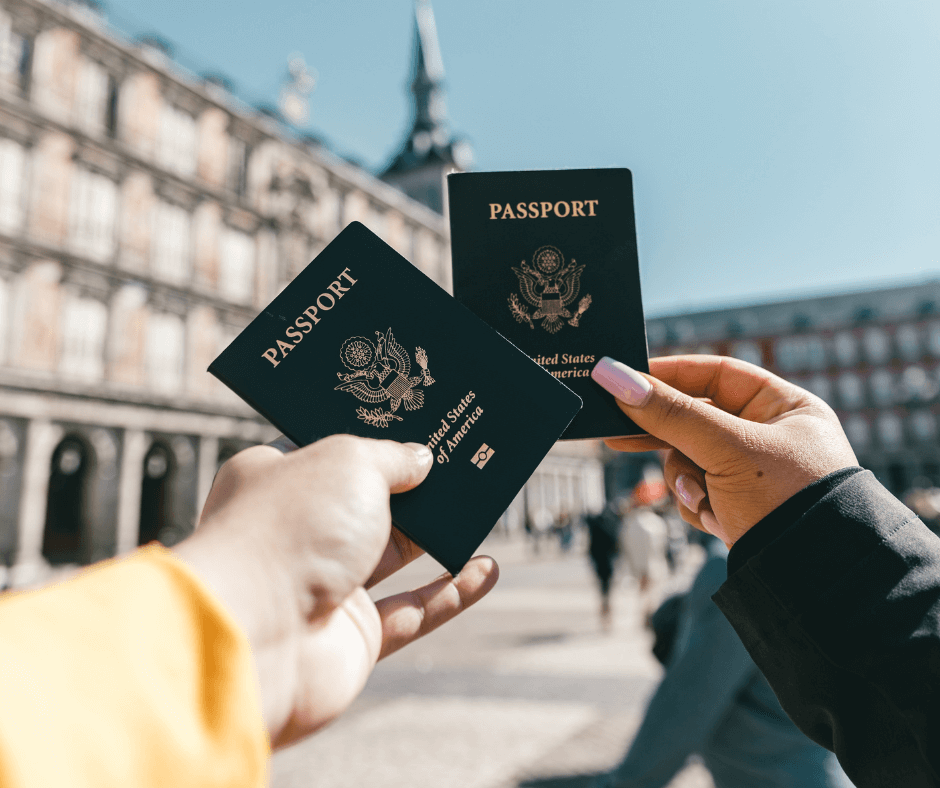
Travel surprises happen. The goal isn’t to plan perfectly—it’s to know what to do in a travel emergency so a hiccup doesn’t take over the whole trip.
Having a travel advisor in the backseat in case of an emergency is your best option. They can work out all the details while you focus on making the most of your vacation.
How we help when plans change:
Rebook flights and adjust connections when delays or cancellations hit
Coordinate with hotels, guides, and drivers when timing shifts
Help navigate lost luggage, missed transfers, and schedule changes
Provide clear next steps so you can stay calm and keep enjoying the trip
Schedule a free travel planning session with Allison to feel prepared for your next trip—and to know you’ve got support if anything goes sideways.
FAQs About Travel Emergency Tips
Who should I contact in a travel emergency?
Depending on the situation, contact:
Local emergency services (police, fire, medical)
Your hotel or accommodation staff
Your travel advisor or airline
Your country’s embassy or consulate, such as the U.S. Department of State, if you’re a U.S. citizen
Your travel insurance provider
Having these numbers saved offline is essential.
What documents should I keep accessible in case of an emergency?
Always carry (physically and digitally):
Passport and visa copies
Travel insurance policy details
Emergency contact list
Medication prescriptions
Accommodation and transportation confirmations
Store digital copies in a secure cloud folder and offline on your phone.
How can I prepare before a trip to reduce emergency risks?
Preparation makes a huge difference. Before traveling:
Share your itinerary with someone at home
Research local emergency numbers and healthcare options
Enroll in travel alerts from your government (for example, STEP through the U.S. State Department)
Check health guidance from the Centers for Disease Control and Prevention
Purchase comprehensive travel insurance
Should I register with STEP (or my country’s travel alerts) before international travel?
Yes. Travel alerts can be helpful if conditions change quickly. STEP (for U.S. citizens) is especially useful for receiving updates and making it easier for your embassy or consulate to contact you if needed.
What information should I document for travel insurance claims?
Keep receipts, medical reports, written notes about what happened, and any proof of delays or cancellations (emails, screenshots, or airline notifications). The more documentation you have, the easier it is to submit a clear claim.
Should I rely on my phone during a travel emergency?
Your phone is helpful, but it shouldn’t be your only plan. Batteries die, and service can be unreliable. Write down key phone numbers, addresses, and instructions, and keep them with your travel documents.
How can travel insurance help during an emergency?
Travel insurance can cover emergency medical care, evacuations, trip interruptions, lost belongings, and more. Some policies also provide 24/7 assistance services that guide you through emergencies step by step.
When should I contact my travel advisor during an emergency?
Reach out as soon as your situation affects flights, hotels, transfers, tours, or timing—or if you’re not getting clear answers from a supplier. The earlier we know, the faster we can help.
Is it worth working with a travel advisor for emergencies?
Yes. A professional travel advisor can act as your advocate during emergencies—rebooking flights, finding safe accommodations, coordinating with suppliers, and offering calm guidance when plans change unexpectedly.