
The Truth About Travel Insurance for Luxury Trips: What Matters Most
Your trip is planned, you’ve paid in full, now all you have to do is pack your bags and head to the airport. It’s the kind of trip you’ve been looking forward to for months or maybe years.
And then, a week before departure, something unexpected happens.
A sudden illness.
A family emergency.
A canceled flight that unravels the entire itinerary.
At that moment, travel insurance stops feeling like an optional add-on and becomes the one detail that determines whether your dream trip turns into a financial loss or simply a postponed adventure.
As a travel advisor, I always recommend my clients purchase travel insurance. The peace of mind that IF something goes wrong and you’re covered gives you the freedom to fully relax and enjoy your trip.
Read more about travel insurance and why every trip needs a policy.
Key Takeaways:
An explanation of what travel insurance covers
Why travel insurance is so important
Misconceptions about travel insurance
What to look for in a good policy + our recommendations
When and how to buy travel insurance
What Is Travel Insurance And What Does It Cover?

Travel insurance is a financial protection policy designed to reimburse you for certain unexpected expenses or losses that can occur before or during a trip. Rather than preventing disruptions, travel insurance minimizes the financial impact if something unforeseen affects your trip.
Travel insurance typically includes:
Trip cancellation/interruption: Prepaid, nonrefundable trip costs if you need to cancel before departure or cut your trip short for a covered reason.
Medical emergencies: Covers eligible medical treatment expenses if you become sick or injured while traveling.
Lost or delayed baggage: Provides reimbursement if your luggage is lost, stolen, or significantly delayed during your trip.
Evacuation or repatriation: Pays for emergency transportation to the nearest appropriate medical facility or back home if medically necessary.
Travel delays: Reimburses reasonable expenses, such as meals and accommodations, if your trip is delayed for a covered reason.
Coverage can vary widely based on the policy type and provider, so do your research before purchasing travel insurance.
Download our What To Do When guide for more practical tips and savvy solutions to handle any issues that arise when traveling.
Why Travel Insurance Is Important
The call no travel advisor wants to make—telling a client their $50,000 trip can’t be refunded because they didn’t buy travel insurance.
Travel insurance isn’t a ploy to get more money from you. All we do is get quotes for travel insurance policies for you to review and make the best decision for yourself. We truly want to help you protect the financial investment you’ve made in your trip from unexpected disruptions beyond your control.
From sudden illness and family emergencies to airline cancellations and severe weather, even the most carefully planned itinerary can unravel. Travel insurance helps ensure that one unforeseen event doesn’t result in a significant financial loss.
It’s less about expecting something to go wrong and more about safeguarding the time, money, and planning you’ve already committed.
4 Common Objections to Travel Insurance
We’ve heard it all too often—people don’t want to purchase travel insurance because it feels like an extra expense on top of an already expensive trip.

We understand you’d rather spend the extra money on an airfare upgrade or another family excursion. But travel insurance gives you reassurance that if anything goes wrong, you can get your money back and rebook another time.
Are you feeling resistant to travel insurance for any of these reasons?
“My credit card coverage is enough.”
Credit cards can offer helpful protections, but they’re often limited. Coverage caps may be lower than the full cost of a trip, medical evacuation benefits are sometimes minimal, and not every cancellation reason is covered. Relying solely on card benefits can leave unexpected gaps.
“If I cancel, the hotel will refund me.”
Some hotels offer flexible cancellation policies, but many luxury bookings do not. Private villas, peak-season reservations, international tours, and specialty experiences often require significant nonrefundable deposits. Even if a hotel is flexible, airfare, excursions, and prepaid transportation may not be.
“It’s a waste of money if I don’t use it.”
That’s true of any insurance — car, home, or health. The value isn’t in using it; it’s in protecting yourself from a potentially significant financial loss. If nothing goes wrong, you’ve essentially paid for peace of mind.
“An emergency won’t happen to me - it’s so unlikely.”
Yes, emergencies are unlikely, until they aren’t. Illness, weather disruptions, airline issues, or family emergencies don’t discriminate based on how carefully you planned. Travel insurance exists for low-probability, high-impact situations—the exact kind that can turn a dream trip into a major financial setback.
Illness, family emergencies, weather disruptions, strikes, or global events can impact any traveler.
What to Look for in a Travel Insurance Policy
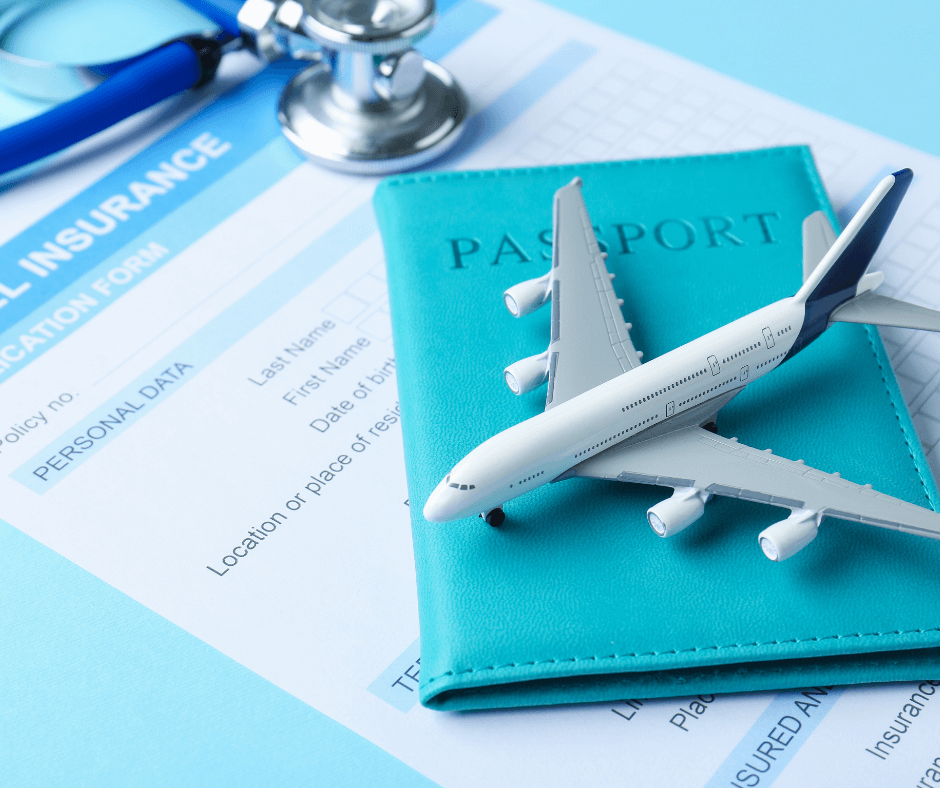
Not all travel insurance policies are created equal, so it’s important to look beyond the price and evaluate the coverage details.
Pay close attention to:
Trip cancellation and interruption limits that match your full prepaid, nonrefundable costs
Medical coverage amounts, especially for international travel
Emergency medical evacuation benefits with high enough limits
Baggage coverage caps, including per-item limits
Travel delay coverage and what qualifies as a covered reason
Policy exclusions and pre-existing condition rules
A lower premium isn’t always better. The right policy is one that fully protects the investment you’ve made in your trip.
3 Recommended Travel Insurance Companies
We are not experts on the ins and outs of travel insurance companies and policies, as circumstances are different for every traveler. However, these are the three companies we often refer clients to:
When and How to Buy Travel Insurance
The best time to purchase travel insurance is within 10–14 days of your initial trip deposit. Your travel advisor will likely have some quotes ready for you, but it’s important that you do your own research. You’re the expert in your medical history and what you plan on packing in your suitcase!

To buy, compare reputable providers, insure the full prepaid and nonrefundable cost of your trip, review coverage limits carefully, and read the exclusions so you understand exactly what is and isn’t protected before you travel.
Travel Insurance is a Non-Negotiable
Travel insurance may feel like a backup plan you hope you never use, but when you need it, it can save your trip (and thousands of dollars).
No matter where you travel around the world, purchase travel insurance for your next trip to give yourself peace of mind and fully enjoy the experience you’ve invested in.
Ready to book your next trip? Schedule a travel planning strategy session with Allison to talk through your plans.
FAQs About Travel Insurance
Is travel insurance really worth the cost?
Yes. Travel insurance typically costs 4–10% of your total trip investment. The real question isn’t “Will something go wrong?” — it’s “Would I be comfortable losing the full prepaid amount if it did?” For many luxury travelers, the peace of mind alone makes it worth it.
What is not covered by travel insurance?
Standard policies do not cover everything. Common exclusions include:
Changing your mind about traveling
Known events (like a forecasted hurricane before you purchased coverage)
Pre-existing medical conditions (unless you qualify for a waiver)
High-risk activities not listed in the policy
Certain luxury items, like jewelry, that are beyond per-item limits
Every policy is different, so reading the fine print is essential.
Do credit cards offer travel insurance?
Some premium credit cards do offer travel protections, but coverage is often limited. Benefits may include trip delay reimbursement, lost luggage protection, or rental car coverage. However, credit card insurance typically has lower coverage limits, fewer covered cancellation reasons, and limited or no medical evacuation benefits. Standalone travel insurance usually provides more comprehensive protection.
How late is too late to buy travel insurance?
You can often purchase travel insurance up until shortly before departure. However, buying within 14–21 days of your initial deposit is ideal. Waiting too long can limit your options, and once an issue becomes foreseeable, it’s generally no longer covered.
What happens if I get sick abroad during a luxury trip?
Comprehensive travel insurance includes emergency medical coverage and often medical evacuation coverage. This can be critical in remote or international destinations where private hospitals or emergency transport (like air evacuation) can cost tens of thousands of dollars.
Will travel insurance cover cancellations for any reason?
Not standard policies. Most basic plans only cover specific, listed reasons (illness, injury, severe weather, etc.). If you want maximum flexibility, you’ll need a “Cancel For Any Reason” (CFAR) upgrade, which typically reimburses 50–75% of your trip cost.
Does travel insurance cover first-class or business-class flights?
Most comprehensive policies reimburse the full prepaid, nonrefundable cost of your trip, provided you insure the full value of the trip at the time of purchase.
Does travel insurance cover lost or delayed luggage on international flights?
Yes. Baggage loss and delay coverage can reimburse you for lost items and essentials you need to purchase while waiting for your luggage. Be aware that there are coverage limits per item, so high-value items (like designer handbags or jewelry) may be subject to caps.